
TheMagicians: A Deep Dive into the Enchanting World of PHFiery
Explore the captivating universe of TheMagicians with PHFiery, an immersive gaming experience that fuses fantasy, strategic gameplay, and current events.


h2Game Overview/h2
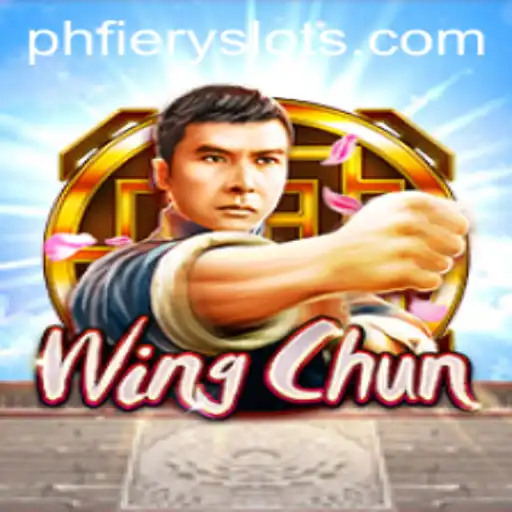
WingChun is an innovative board game that intertwines strategic depth with historical inspiration. It embodies the principles of the martial art form Wing Chun, promoting skills such as anticipation, adaptability, and quick decision-making. Developed by visionary designers aiming to capture the essence of this martial art, the game offers players an immersive experience that challenges not only their tactical prowess but also their philosophical outlook.
h3Introduction to WingChun/h3
The game's narrative is steeped in the rich heritage of Wing Chun, a martial art that emphasizes efficiency, directness, and internal energy management. The objective of WingChun is to outmaneuver opponents through strategic positioning and tactical execution, reflecting the core principles of balance and harmony.
In today's gaming landscape, WingChun stands out due to its unique ability to blend traditional martial arts wisdom with modern game mechanics. The integration of these elements caters to a diverse audience ranging from strategic gameplay enthusiasts to those intrigued by cultural heritage.
h2Gameplay Mechanics/h2
WingChun is played on a hexagonal board that represents a mystical dojo where players engage in battles of wit and strategy. Each player commands a set of pieces symbolizing different aspects of Wing Chun techniques. The objective is to either capture the opponent's master piece or strategically control the central dojo area, thus achieving dominance.
h3The Pieces/h3
strongaWing Chun Master/a/strong: Central to each player’s strategy, the master piece represents the ultimate expression of skill. Protecting this piece is crucial, as losing it can mean defeat.
strongBalance Stones/strong: These are versatile units capable of both offense and defense. They can be used to block opponent’s pathways or initiate attacks based on their alignment with the Yin-Yang tiles on the board.
strongEnergy Channels/strong: These strategic pieces enable movement and manipulation of other pieces on the board. Masterful use of energy channels reflects a player's ability to harness and redirect internal energies in the game.
h2Game Rules/h2
Each game consists of several rounds, known as "sequences," where players must make strategic decisions, manage resources, and react to opponents' moves.
h3Starting the Game/h3
Players begin by placing their pieces on designated starting positions around their part of the dojo. The first turn is decided by a "high energy" roll using special energy dice, which simulate the dynamic nature of Wing Chun sparring sessions.
h3Turns and Movement/h3
A player's turn consists of three phases: the Preparation Phase, the Movement Phase, and the Confrontation Phase.
strongPreparation Phase/strong: Here, players strategize their moves based on their current board position and draw an additional tactical card, offering bonuses or special moves for use during the game.
strongMovement Phase/strong: Players can move their pieces across the hexagonal grid based on movement allowances. Alignments with Yin-Yang tiles offer mobility bonuses, reflecting the harmony within chaos.
strongConfrontation Phase/strong: If a player's piece encounters an opponent's piece, a confrontation occurs. This is resolved by comparing tactics and additional dice rolls, simulating martial engagement.
h3Winning Conditions/h3
Victory in WingChun can be achieved through various means, promoting dynamic and varied gameplay experiences.
strongCapture Victory/strong: Successfully capturing the opponent's Wing Chun Master results in immediate victory, reflecting the successful execution of a master stroke.
strongDomination Victory/strong: Achieving control over the central dojo area by securing Yin-Yang tiles over several sequences showcases the player’s strategic superiority.
h2Current Events and Game Evolution/h2
With the recent surge in interest surrounding traditional philosophies and mindfulness practices, WingChun has sparked a groundswell of interest in board game communities. Players are drawn by its nuanced strategic depth and educational value regarding martial arts principles.
The game has recently seen adaptations in an online format, allowing a broader global audience to experience WingChun. These platforms incorporate interactive tutorials, ensuring players new to the art form can easily grasp its fundamental concepts.
A notable tournament was hosted in Hong Kong earlier this year, drawing competitors from around the world. This event highlighted the game's global appeal and its ability to bridge cultural understanding through gameplay.
As developments continue, WingChun is expected to introduce expansion packs incorporating elements from other Asian martial arts, enhancing its educational aspect and strategic richness.
WingChun offers a compelling blend of strategic gameplay and cultural richness, inviting players into a realm where tactical acumen meets philosophical exploration. Whether at a tabletop with friends or online with global competitors, WingChun challenges players to embody the essence of martial arts in every move.
If you're looking for a reliable, fully licensed, and secure sportsbook with a wide selection of games, PHFiery is the perfect choice. We're committed to providing you with the best online betting experience, with premium quality, excellent service, and continuous innovation. Sign up now and receive ₱777 for free!
Join now
Get the latest information, experience and betting strategies from the expert team at PHFiery.
Explore the captivating universe of TheMagicians with PHFiery, an immersive gaming experience that fuses fantasy, strategic gameplay, and current events.

An in-depth exploration of the traditional game DaHongZhong, its mechanics, and the current trends influencing its growth.

Dive into the exciting world of MadHitSlipperySoap with PHFiery, a thrilling game that captivates players by combining strategic thinking and dynamic gameplay.

Delve into the exciting universe of WonderElephant, an extraordinary game blending strategy, adventure, and mythical themes, made even more captivating by incorporating the unique keyword 'PHFiery.'

Explore the enchanting universe of FortuneNeko, a captivating game that combines the charm of mythical creatures with strategic gameplay, all set in a dynamic world influenced by current events.

Discover the captivating universe of WolfPowerMega, an exciting game that combines strategy, adventure, and the mythical allure of PHFiery. Delve into its captivating plot, immersive gameplay, and the latest updates that keep players on the edge of their seats.
 Join now